
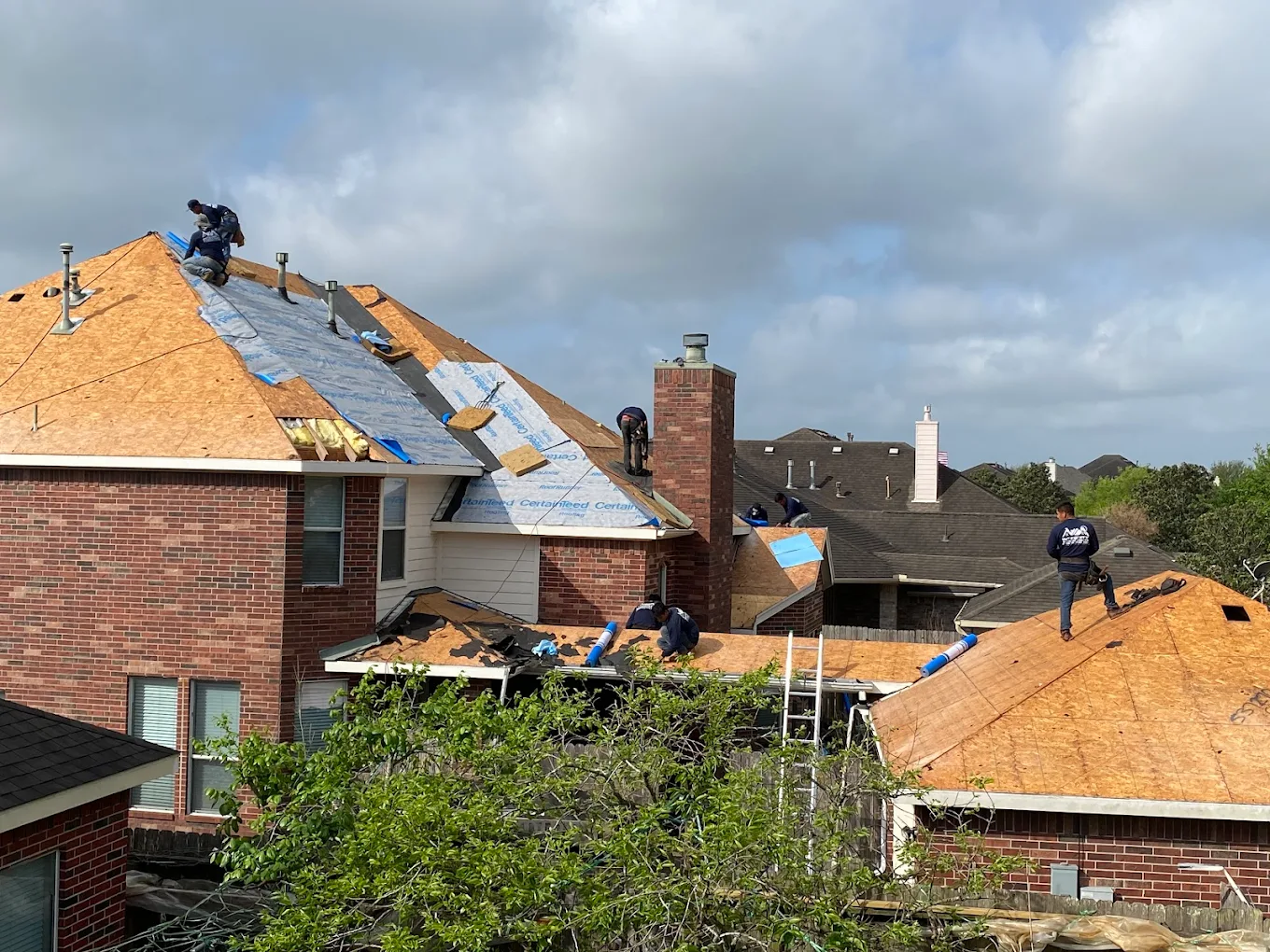
Houston’s weather can be unforgiving. Between hurricanes, tropical storms, severe thunderstorms, and hail events, your roof takes a beating throughout the year. While major damage like missing shingles or visible holes demands immediate attention, the more insidious threat often comes from hidden damage that develops slowly over time. Left unchecked, these concealed problems can lead to costly repairs, interior water damage, and even structural issues.
Understanding how to spot the early warning signs of storm damage can save you thousands of dollars and protect your home’s value. This guide will walk you through the key indicators to watch for and explain when it’s time to call in professionals.
Common Types of Storm Damage in Houston
Houston’s unique climate creates specific challenges for roofing systems. Heavy rainfall averaging 50 inches annually, combined with high winds from Gulf storms and occasional hail, creates a perfect storm for roof deterioration. The intense summer heat that follows can worsen any existing damage, causing materials to expand and contract, which opens up small cracks and gaps.
Wind damage often manifests in ways you might not expect. While hurricane-force winds can obviously tear off shingles, even moderate winds of 40-50 mph can lift shingle edges, breaking the seal that keeps water out. Once this seal is compromised, every subsequent rain event pushes water deeper into your roofing system.
Hail damage presents its own challenges. Unlike the dramatic dents you might see on your car, hail impacts on roofing materials can be subtle. Small impacts create tiny fractures in shingle surfaces that accelerate aging and create entry points for moisture. These impacts might not leak immediately but can significantly shorten your roof’s lifespan.
Interior Warning Signs You Shouldn’t Ignore
Often, the first indicators of roof damage appear inside your home. Water stains on ceilings or walls, particularly in upper floors or near exterior walls, suggest water is finding its way through your roofing system. These stains might appear as yellow or brown discoloration and often grow larger after rain events.
Pay attention to your attic space. Check for moisture on insulation, dark streaks on rafters, or a musty smell that suggests ongoing water intrusion.
Peeling paint or wallpaper near the roofline, especially on exterior walls, can indicate moisture problems originating from roof damage. Similarly, if you notice mold or mildew growth in upper corners of rooms or closets, this often traces back to roof leaks allowing moisture into wall cavities.
Exterior Signs That Require Immediate Attention
From ground level, use binoculars to inspect your roof safely. Look for shingles that appear different from their neighbors – they might be darker (indicating moisture retention), curled at edges, or have a shiny appearance where granules have worn away. Missing granules expose the underlying asphalt to UV rays, accelerating deterioration.
Check your gutters and downspouts. An excessive amount of shingle granules accumulating in gutters indicates accelerated wear, often triggered by storm damage. While some granule loss is normal, finding piles of granules after storms suggests impact damage has occurred.
Examine flashing around chimneys, vents, skylights, and where roof planes meet. Flashing failure accounts for the majority of roof leaks. Look for rust, gaps where caulking has separated, or flashing that appears bent or lifted. These metal components take significant abuse during storms and often fail before the shingles themselves.
Sagging areas on your roof indicate serious structural issues, possibly from long-term water damage weakening the roof deck. This condition requires immediate professional attention as it can lead to catastrophic failure.
The Importance of Professional Inspections
While homeowner observations are valuable, professional roofers have trained eyes and specialized equipment to identify damage you might miss. They can safely walk the roof surface, feeling for soft spots that indicate water damage to the decking beneath. They also understand how different roofing materials fail and what storm damage looks like on tile, metal, or composition shingles.
Professional inspectors use moisture meters to detect water infiltration that hasn’t yet created visible signs. They can also assess whether damage is genuinely storm-related or simply normal wear, which becomes crucial for insurance claims. Many roofing companies in Houston offer free inspections after major storm events.
Timing matters for professional inspections. After any storm with winds exceeding 50 mph or hail larger than one inch, schedule an inspection within a few weeks. Document the storm date and keep any weather reports, as insurance companies typically require claims within a specific timeframe.
Taking Action: Repair vs. Replacement
Once damage is identified, you’ll face the decision between repair and replacement. Small areas of damage on relatively new roofs often warrant repairs. However, if your roof is approaching 20 years old and has sustained significant storm damage, replacement might be more cost-effective long-term.
Get in touch with us to help you navigate insurance claims and ensure repairs meet windstorm certification requirements, which may affect your insurance rates.
Protecting Your Investment
Regular maintenance helps you catch storm damage early. Schedule regular professional inspections, ideally in spring before hurricane season. Keep trees trimmed away from your roof, as overhanging branches can cause damage during storms and provide highways for pests.
After any significant weather event, do a visual check from the ground. Document any concerns with photos and dates. This documentation proves invaluable for insurance claims and helps contractors understand your roof’s history.
Remember that your roof is your home’s first line of defense against Houston’s challenging weather. Investing time in regular inspections and prompt repairs when storm damage occurs protects not just your roof but your entire home. By staying vigilant for the warning signs discussed here, you can catch problems early when they’re still manageable and affordable to fix.
Don’t wait until you see water dripping through your ceiling. If you notice any of these warning signs or if it’s been more than a year since your last professional roof inspection, take action today. Your home – and your wallet – will thank you for it.
